Is It Aging?
Wellness, Healthy Aging, Lifestyle Change
What No One Tells You About Getting Older — And Why It Doesn’t Have To Be This Way
Aging is often sold as a slow decline into more pain, more pills, and fewer possibilities. But it doesn’t have to look like that. When you use a method that respects how your body actually works, getting older can mean getting stronger, clearer, and more alive than you’ve felt in years.
The Story We’re Told About Aging — And Why It Feels So Hopeless
Most people quietly accept a script about getting older: more stiffness, more weight around the middle, more medications lined up on the kitchen counter. You’re told this is “just age,” so you learn to live with the aches, the fatigue, the creeping sense that your body is slipping away from you.
What no one tells you is that much of what we blame on age is actually the result of disuse, poor recovery, chronic stress, and mismatched habits — all of which can be changed. That’s where our method comes in, especially for people who are ready for a real wellness journey and not another quick fix.
📌 Key Takeaway: Aging isn’t the enemy — unmanaged stress, inactivity, and lack of recovery are. Change those, and your story changes.
Proof In Real Life: Sally’s Year of Quiet Transformation
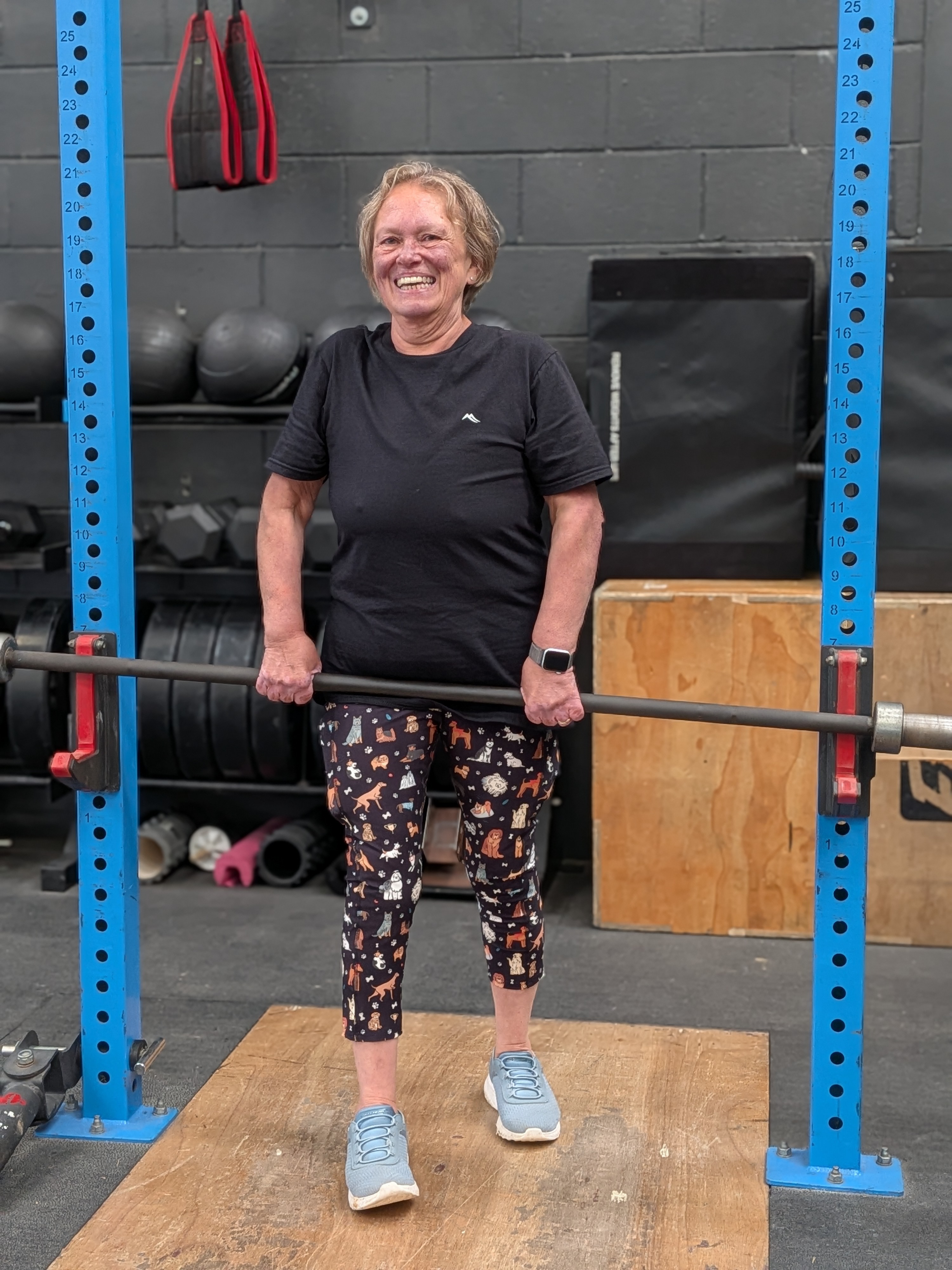
When Sally first came to us, she was 64, exhausted, and convinced that her best physical years were behind her. She relied on daily pain killers just to get through even a nights sleep. Her knees ached walking up stairs, her back complained after sitting, and the idea of a gym made her feel intimidated and out of place.
Month 1–3: Easing Out of Constant Pain
We began with short, low-impact sessions focused on joint mobility, and gentle strength. No burpees, no bootcamp, no humiliation. Just movements that gave her body a chance to feel safe again.
By the end of the third month, Sally noticed she was reaching for her pain killers less often. Mornings felt less like a battle. Her first win? A full week without needing pain medication for her back, something she hadn’t experienced in years. That was the beginning of her journey to stopping pain killers as a daily crutch, under her doctor’s supervision.
Month 4–8: Losing Weight Without Losing Her Life
Once her pain had eased, we could do more. Sally started strength training along with swimming on the other days. There were no strict diets, just consistent, sustainable choices.
Over several months, the scale began to shift. Slowly at first, then more steadily. By month eight, Sally had lost weight — over 10 kilograms — but more importantly, she felt lighter in every sense. Her clothes fit differently, her joints felt less burdened, and she could walk up stairs without stopping to catch her breath.
Month 9–12: Reducing Medication and Enjoying the Gym
With her doctor monitoring her progress, Sally’s blood pressure and blood work improved. Over time, she was able to reduce medication safely — fewer tablets, lower doses, and a renewed sense of ownership over her health. This wasn’t magic; it was the natural result of consistent movement, better sleep, and calmer stress levels.
Perhaps the most surprising change? Sally began to genuinely enjoy the gym. The place she once feared became her sanctuary — a space where she felt capable, welcomed, and proud. She loved tracking small progress markers: another rep, a little more weight, a walk that felt easier than last week. For the first time in decades, exercise wasn’t punishment; it was proof that her body still wanted to work with her.
How Our 4 Phases Guide This Kind of Change
Behind stories like Sally’s is a clear, structured system. Our method works through four phases that meet you where you are and move you forward safely: Rebuild, Recondition, Perform, and Sustain. You don’t rush through them — you move when your body is ready.
Phase 1: Rebuild — Teaching Your Body to Feel Safe Again
In Rebuild, we focus on movement mechanics and mobility. This is where we dial down pain and stiffness and help your body trust movement again.
💡 Pro Tip: If you’re in constant pain, you don’t need to “push harder” — you need to Rebuild first.
Phase 2: Recondition — Building Your Base Strength and Engine
Once movement feels safer, we move into Recondition. Here the goal is to develop base strength and a solid foundation of aerobic capacity — the kind of fitness that lets you keep up with life without crashing afterward.
Phase 3: Perform — Training for Real-Life Power and Confidence
In Perform, we begin to layer in the qualities you use in real life: power output, reactions, change of direction, and high-intensity anaerobic power.
“Perform isn’t about chasing personal records — it’s about feeling capable in the life you actually live.”
Phase 4: Sustain — Staying Strong Without Burning Out
Finally, Sustain is where we focus on stability, multidirectional strength, and managing progress without injury.
📌 Key Takeaway: The win isn’t just getting fit — it’s learning how to stay fit in a way your body can sustain.
What This Means For Your Own Wellness Journey
Sally’s story isn’t a miracle; it’s a model. It shows that with the right method — one that honors your age, history, and responsibilities — you can rewrite what getting older looks like. You can step into a wellness journey where challenges are real, but so is your capacity to overcome them, one small step at a time.
If you’re tired of feeling like your future is already decided, remember this: aging is inevitable, but decline is not. With a method built on proof, compassion, and consistency — and four clear phases to guide you — getting older can be the start of your healthiest chapter yet.