Feel Younger: Rewrite Your Aging Story
Health, Healthy Aging, Functional Movement
Why You Feel Older Than You Are – And How to Rewrite That Story
Feeling older than your age isn’t “just how it is.” It’s often a message from your body, asking you to move, train, and live differently. When you learn to listen, and move, well, you can rebuild strength, protect your joints, and feel more capable than you did years ago.
Why We Feel Older Than We Are
Many people reach their 40s, 50s, or 60s and quietly think, “I feel 10–15 years older than I am.” That feeling rarely comes from age alone. It usually comes from accumulated habits: long hours of sitting, repetitive movements, stress, poor sleep, and exercise that either never happens or pushes too hard in the wrong way. Over time, those patterns drain energy, stiffen joints, and make everyday tasks feel heavier than they should. Age becomes the easy explanation, but the real story is often about how we’ve been using, or not using, our bodies for years.
Your Body Whispers Before It Ever Shouts
Bodies rarely go from “fine” to “broken” overnight. First, they whisper. A tight hip when you get out of the car. A shoulder that complains when you reach overhead. Knees that feel stiff after a short walk. These are early signals that something in your movement, strength, or recovery needs attention. When we ignore those whispers, because we are busy, or we assume it’s just aging, they eventually turn into shouts: sharp pain, recurring injuries, or the sense that you suddenly “can’t do” what used to be easy. Listening earlier gives you a chance to change course before your body has to raise its voice.
Relearning How to Move: Why Understanding Movement Matters Again
As children, we crawl, squat, roll, climb, and run without thinking. As adults, we narrow our movement down to a few patterns: sitting, walking a bit, maybe some gym machines or occasional classes. Over time, we forget how to move well. Understanding movement again means becoming curious about how your body is designed to bend, rotate, stabilize, and carry you through life. It’s not about memorizing anatomy; it’s about noticing how you stand, how you lift groceries, how you get up from the floor, and learning to do those things with ease instead of strain. That awareness is the foundation of healthy aging.
Real, Functional Movement That Respects Your Body
Functional movement simply means training your body for the life you actually live. It’s the difference between chasing numbers on a machine and practicing the patterns you need every day: squatting to sit and stand, hinging at the hips to pick things up, pushing, pulling, rotating, and balancing. Real, functional movement respects your body. It meets you where you are today, works around pain instead of through it, and builds capacity step by step. The goal is not punishment or exhaustion; it’s confidence—being able to trust your body when you climb stairs, play with grandchildren, travel, or work in the garden.
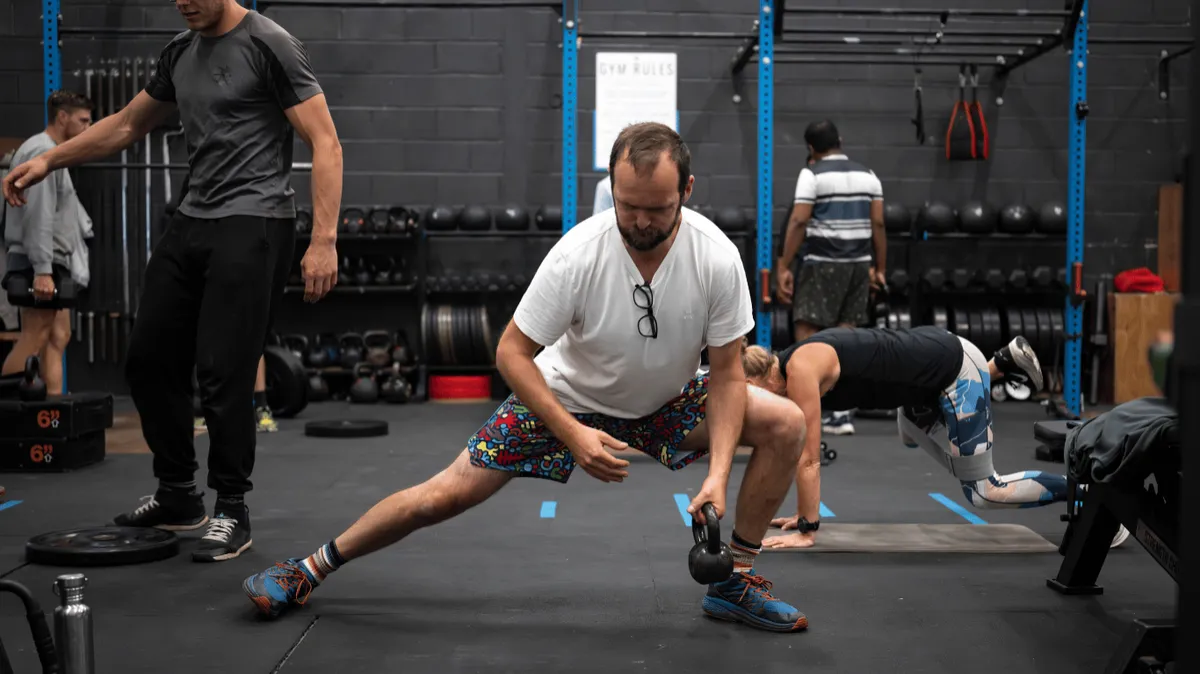
Small, well-executed movements rebuild strength and confidence without overwhelming the body.
Joint Resilience: Protecting the Places That Carry You
Joints often take the blame for aging: “It’s just my knees,” “It’s my back,” “My shoulders are gone.” In reality, joints usually suffer when the muscles around them are weak, tight, or not coordinating well. Joint resilience comes from gently loading and moving those joints through safe ranges, building strength in the muscles that support them, and improving control. Think of it as giving your joints armor made of muscle and good mechanics. Done correctly, this kind of training can reduce pain, improve stability, and help you feel less fragile in your own body.
Proper Mechanics: How You Move Matters More Than How Much You Do
Pushing harder is not always the answer; often, moving better is. Proper mechanics means aligning your body so that muscles do their job and joints are not overloaded. It’s learning to hinge from the hips instead of rounding your back, to stack your ribs over your pelvis when you stand, to let your feet and ankles share the work when you walk. When mechanics improve, effort spreads more evenly through the body. The same tasks feel easier, and your risk of injury drops. Quality first, then quantity, that’s a sustainable path, especially as you age.
Sustainable Fitness: Training You Can Actually Live With
A workout plan that leaves you exhausted, sore for days, or constantly injured isn’t a sign of commitment, it’s a sign it won’t last. Sustainable fitness fits into your real life. It respects your schedule, your energy, and your current capacity, while still nudging you forward. That might mean shorter, more frequent sessions, walking combined with strength work, or carefully progressed exercises that you can maintain for years, not weeks. The goal is consistency, not perfection. Over time, those steady, sustainable choices add up to a body that feels younger, not older, than the date on your birth certificate.
It’s Never Too Late to Rebuild – And Even Surpass Your Younger Self
One of the most powerful truths about the human body is its ability to adapt. You can build muscle, improve balance, increase strength, and move with more ease well into later life. Many people in their 50s, 60s, and beyond discover they become stronger and more capable than they ever were in their 20s, because this time, they train with intention, guidance, and respect for their body. It is never too late to rebuild. The timeline might be different, and the approach more thoughtful, but the potential for progress is still there, waiting for you to claim it.
Turning Your Health Around with Healthy Aging and Functional Movement
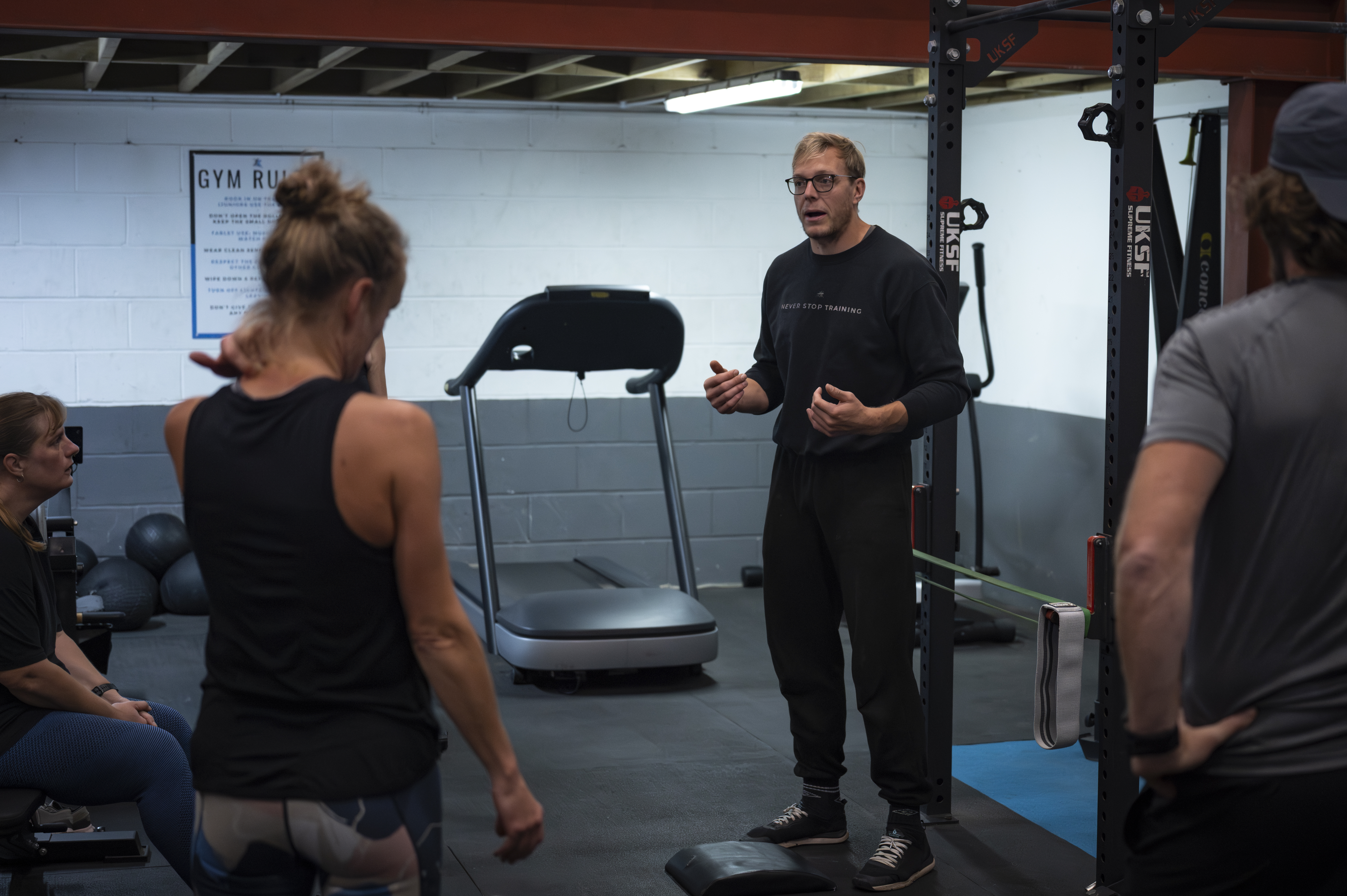
If you feel older than you are, if your body has been whispering—or shouting—for a while, you don’t have to accept that as your new normal. Healthy aging is not about chasing youth; it’s about building a body that supports the life you want to live. Functional movement, joint resilience, proper mechanics, and sustainable fitness are the tools that help you get there. The first step is often the simplest: a conversation. If you’re curious about how to turn your health around, rebuild strength, and move with more confidence, consider reaching out for a chat about healthy aging and functional movement. Sometimes, one honest discussion is all it takes to start rewriting how old you feel, from the inside out.